Our 3-Day Fukushima Itinerary
Visited in summer | Kids: a toddler and a preschooler
I’ve been on a lot of family trips since having kids. Some are wonderful but exhausting. Some are relaxing but a bit thin on things to do. Every so often, you get one that somehow manages to be both genuinely enjoyable and well-paced and incredibly varied — and this was one of those trips.
Three days in Fukushima. An award-winning aquarium, fresh seafood straight from the harbor, a hike through one of Japan’s most otherworldly landscapes, a working samurai castle, fresh peaches eaten straight from the tree — and two nights at a Hoshino Resorts property that delivered more than we expected at a price that surprised us.
If you’re looking for a Tohoku destination that offers something for everyone in the family, Fukushima is seriously underrated.
Quick Info
| Duration | 3 days, 2 nights |
| Area | Iwaki → Urabandai → Aizu-Wakamatsu |
| Transport | Car (recommended for this itinerary) |
| Season visited | Summer |
| Our kids | A toddler and a preschooler |
| Hotel | Bandaisan Onsen Hotel (Hoshino Resorts) — 2 nights |
Day 1: Aquamarine Fukushima + Seafood Lunch + Hotel Check-in
Aquamarine Fukushima
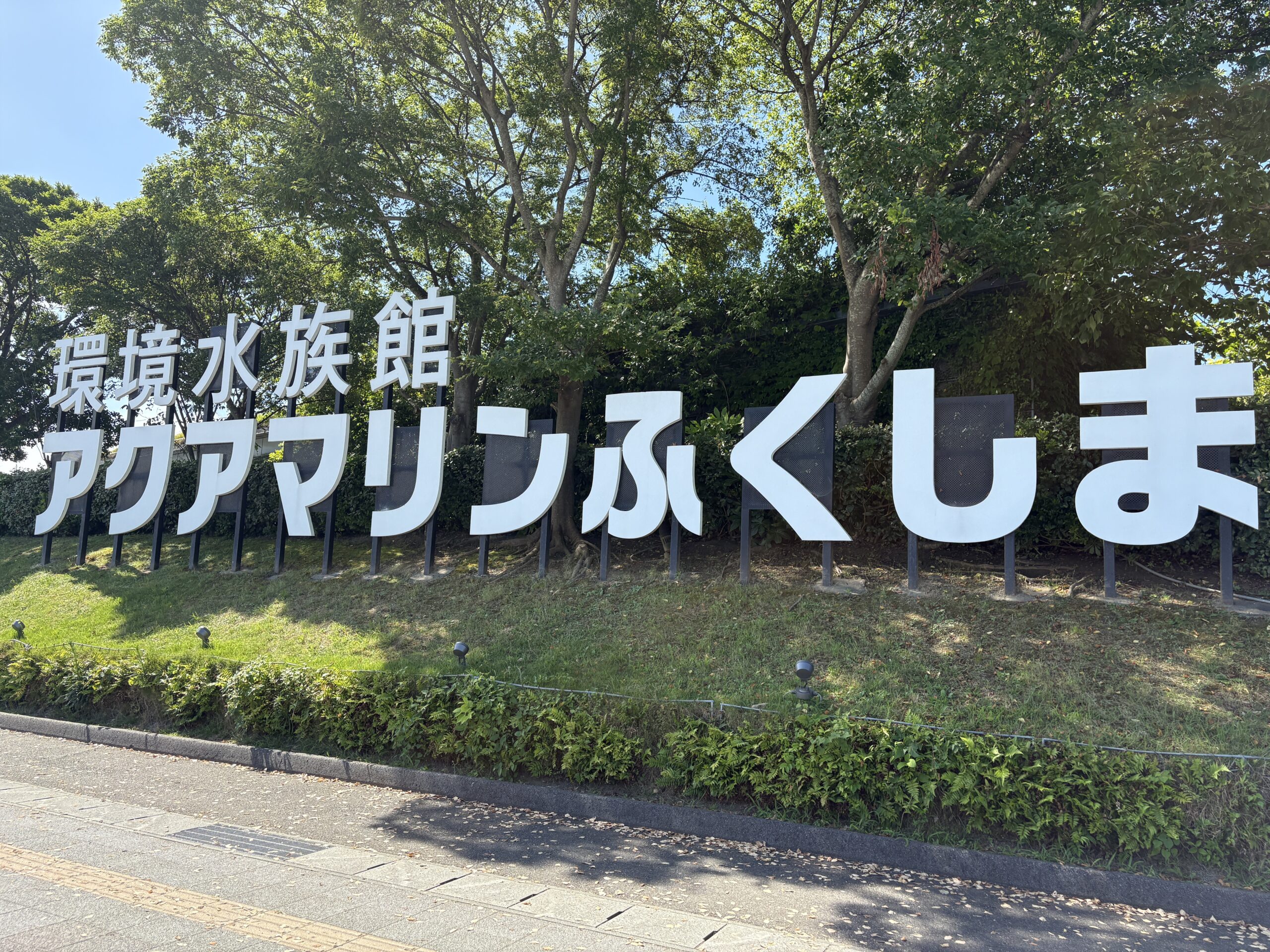
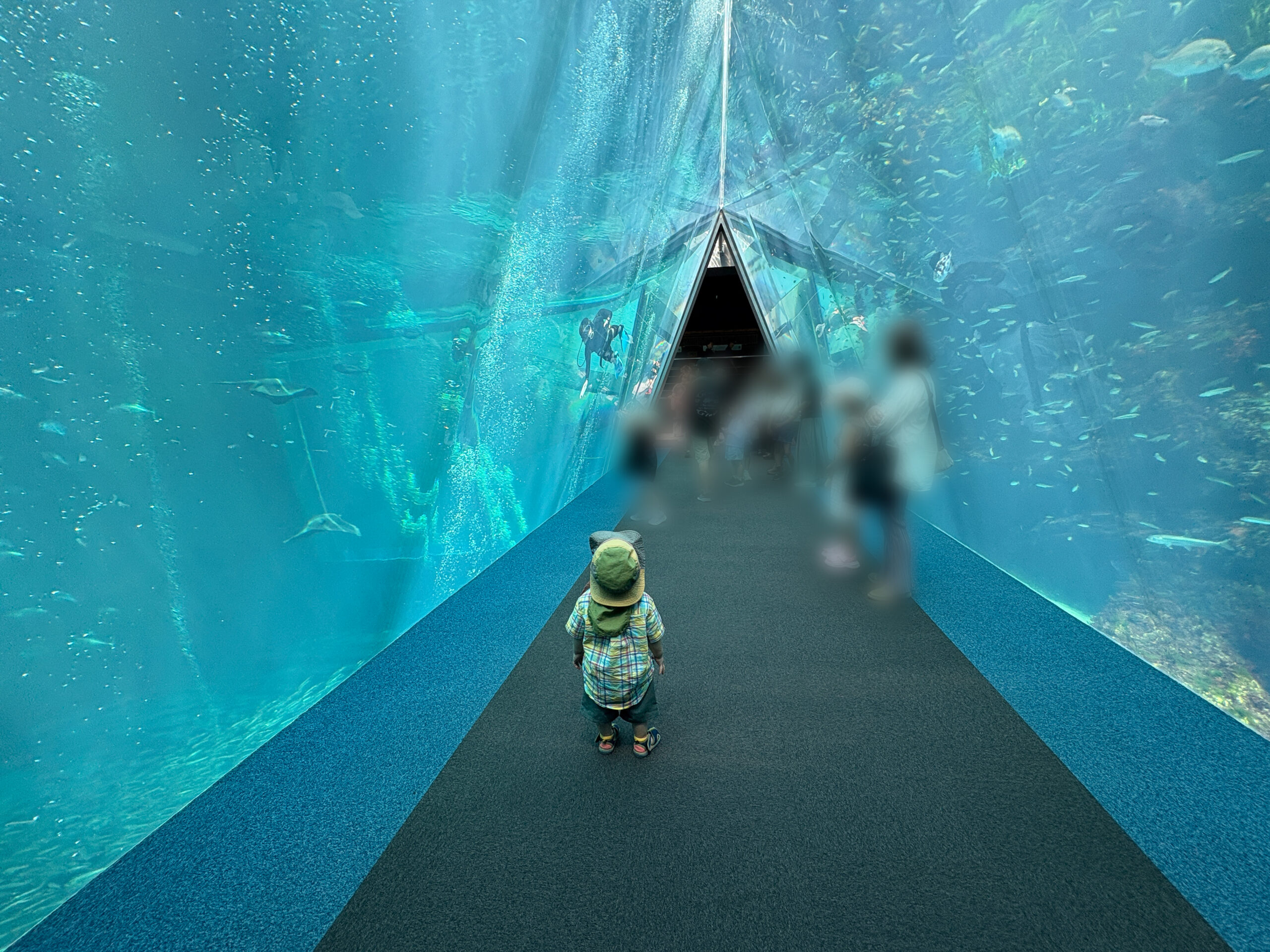
Our first stop was Aquamarine Fukushima, and it set the tone for the whole trip. This isn’t a standard aquarium — it’s built around the concept of the shiome (current rip), where the Kuroshio Current from the south and the Oyashio Current from the north meet off the Fukushima coast. The result is extraordinarily rich marine life, and the aquarium does a remarkable job of bringing that to life.
The centrepiece is the triangular tunnel tank — a vast, photogenic structure where sardines, bonito, and other open-ocean fish school above and around you. The main attraction is Shiome no Umi, the triangle tunnel sandwiched by two big aquariums, where you can experience the current rip — the meeting point of the Kuroshio and Oyashio currents. Our younger one walked back and forth through it pointing at fish, completely captivated.
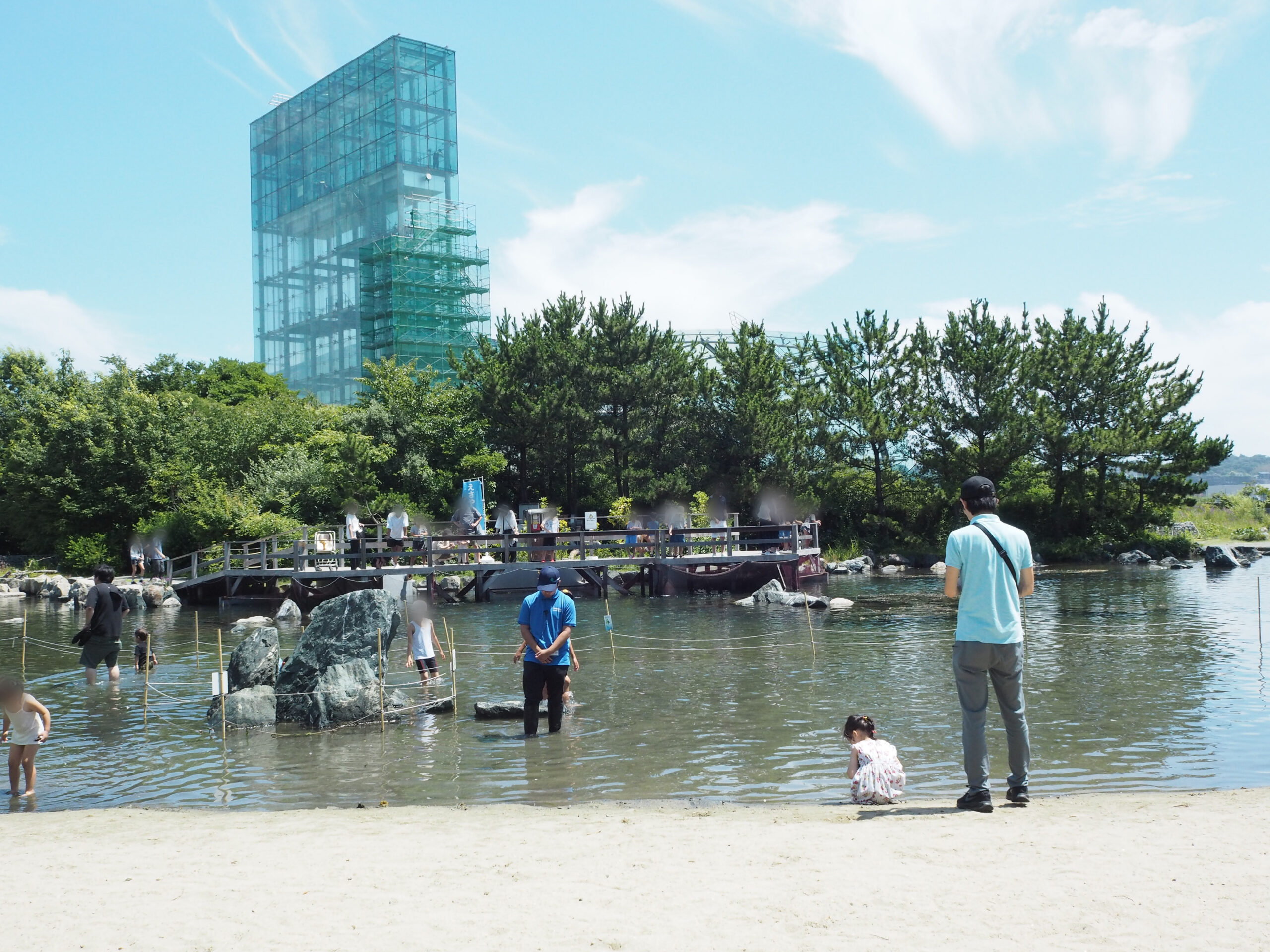
The outdoor area — Janome Beach — recreates a natural coastal environment where kids can wade in and touch starfish, sea cucumbers, and other tidal creatures. It’s more “feet in the water” than a full swim, but our kids were delighted. (Bring a towel — there are foot-washing showers, but you’ll want one.)
Don’t miss the rooftop observation deck for views over the Pacific.
→ Aquamarine Fukushima official site
Lunch: Urokoichi
After Aquamarine, we headed to Urokoichi for a seafood bowl lunch. The seafood here is landed locally, and the quality shows. After a morning at an aquarium all about Fukushima’s extraordinary marine environment, eating that same seafood for lunch felt like a genuinely satisfying full circle.
Evening: Bandaisan Onsen Hotel
After lunch, we drove inland to Bandaisan Onsen Hotel — about 2 hours from the Iwaki coast. The change of scenery was dramatic: from the Pacific coast to the foothills of Mt. Bandai.
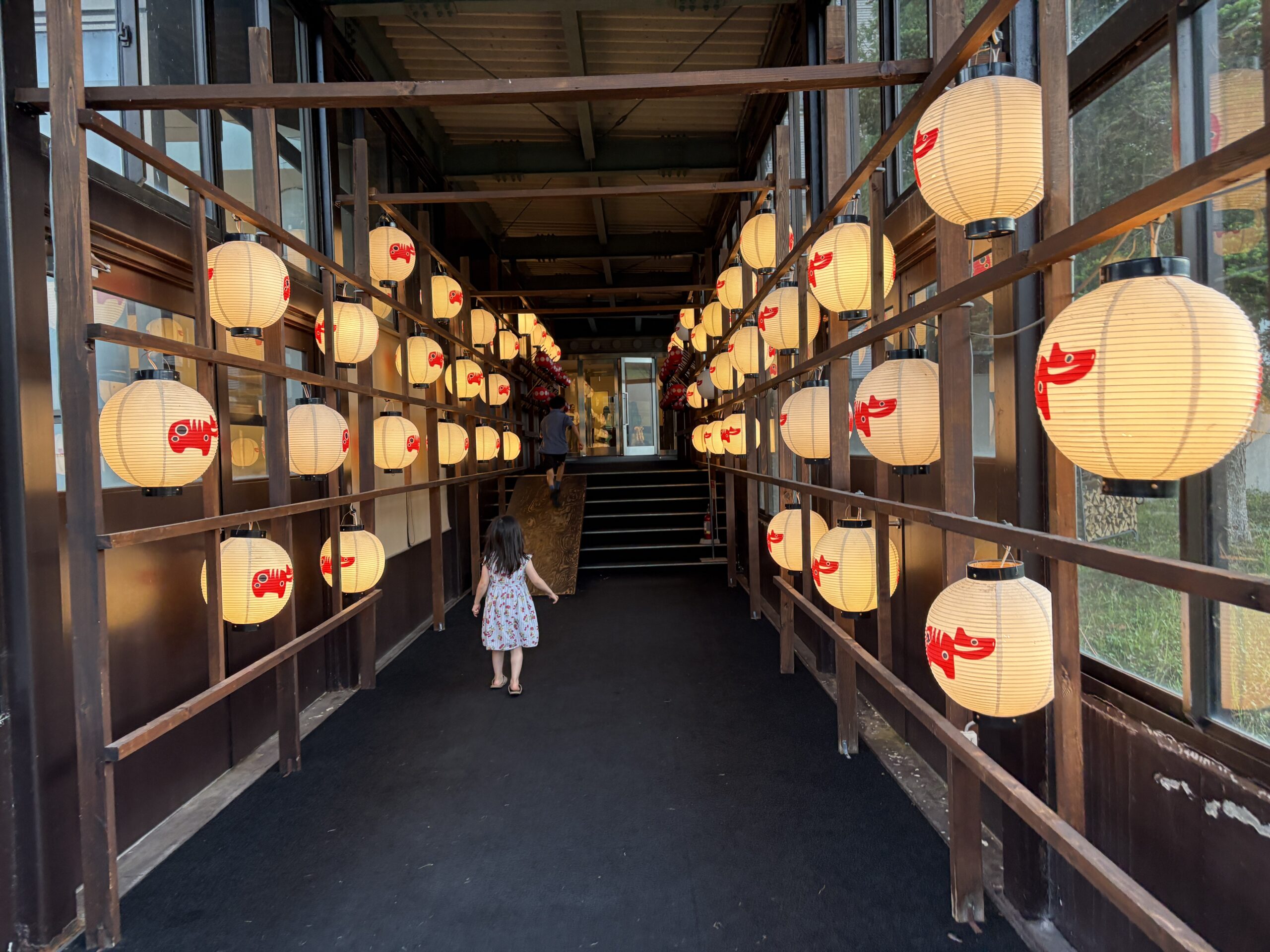
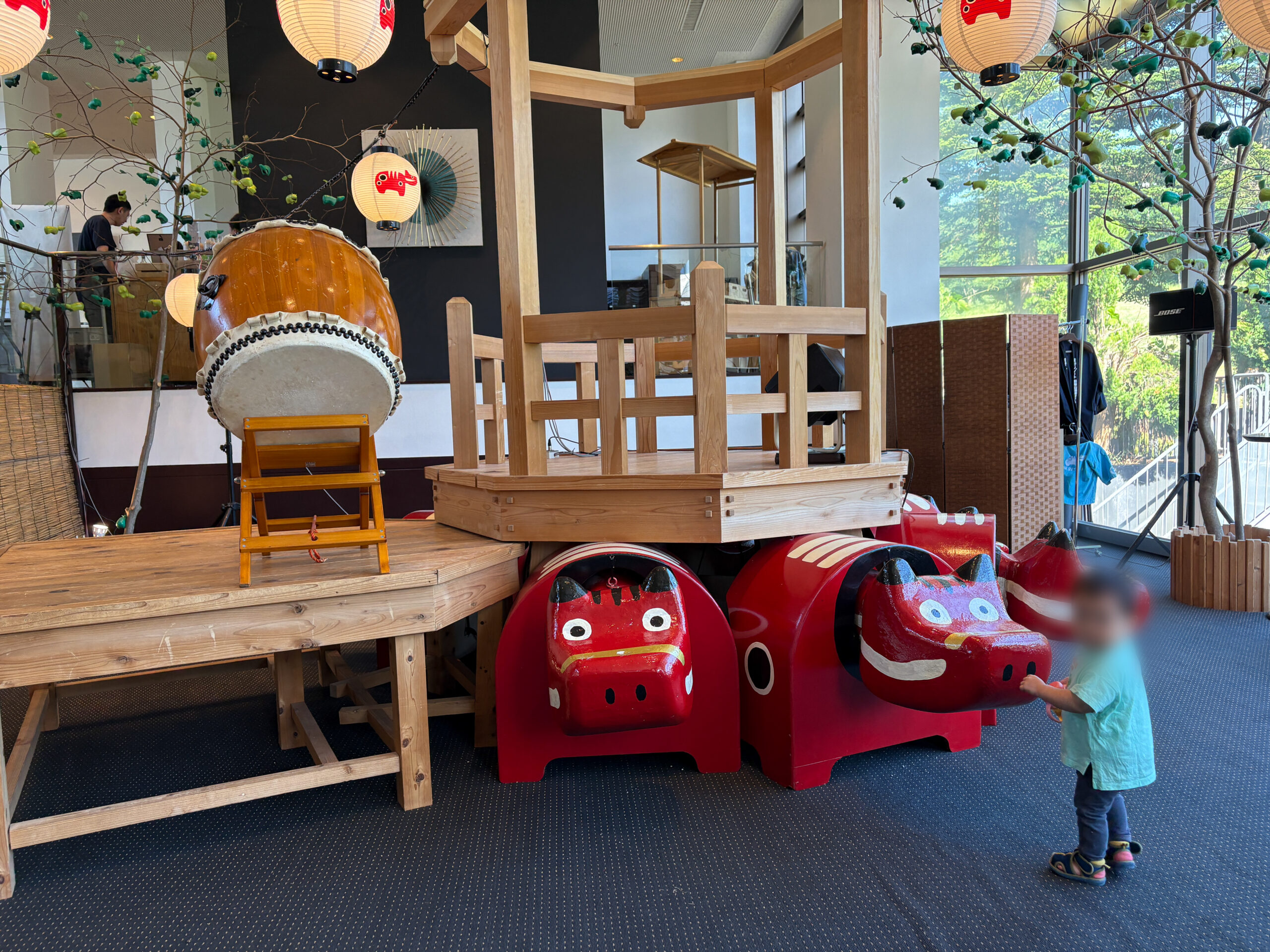
We arrived in time for a peach festival event on the hotel grounds, a night pool session with giant Akabeko floats, and the first of many dinners at the hotel’s buffet restaurant. The kids were in heaven.
→ Full hotel review: Bandaisan Onsen Hotel with Kids
Day 2: Goshikinuma + Canoeing + Hotel Activities
Morning: Goshikinuma Hike + Canoe
Goshikinuma is one of those places that genuinely looks unreal. Goshikinuma in Urabandai, Fukushima is a chain of vividly colored ponds along a 3.6 km nature trail. The water’s color shifts constantly depending on the season, weather, and angle of sunlight. Formed by the 1888 eruption of Mt. Bandai, the mineral-rich water creates colors ranging from deep cobalt to vivid emerald — sometimes in the same pond.
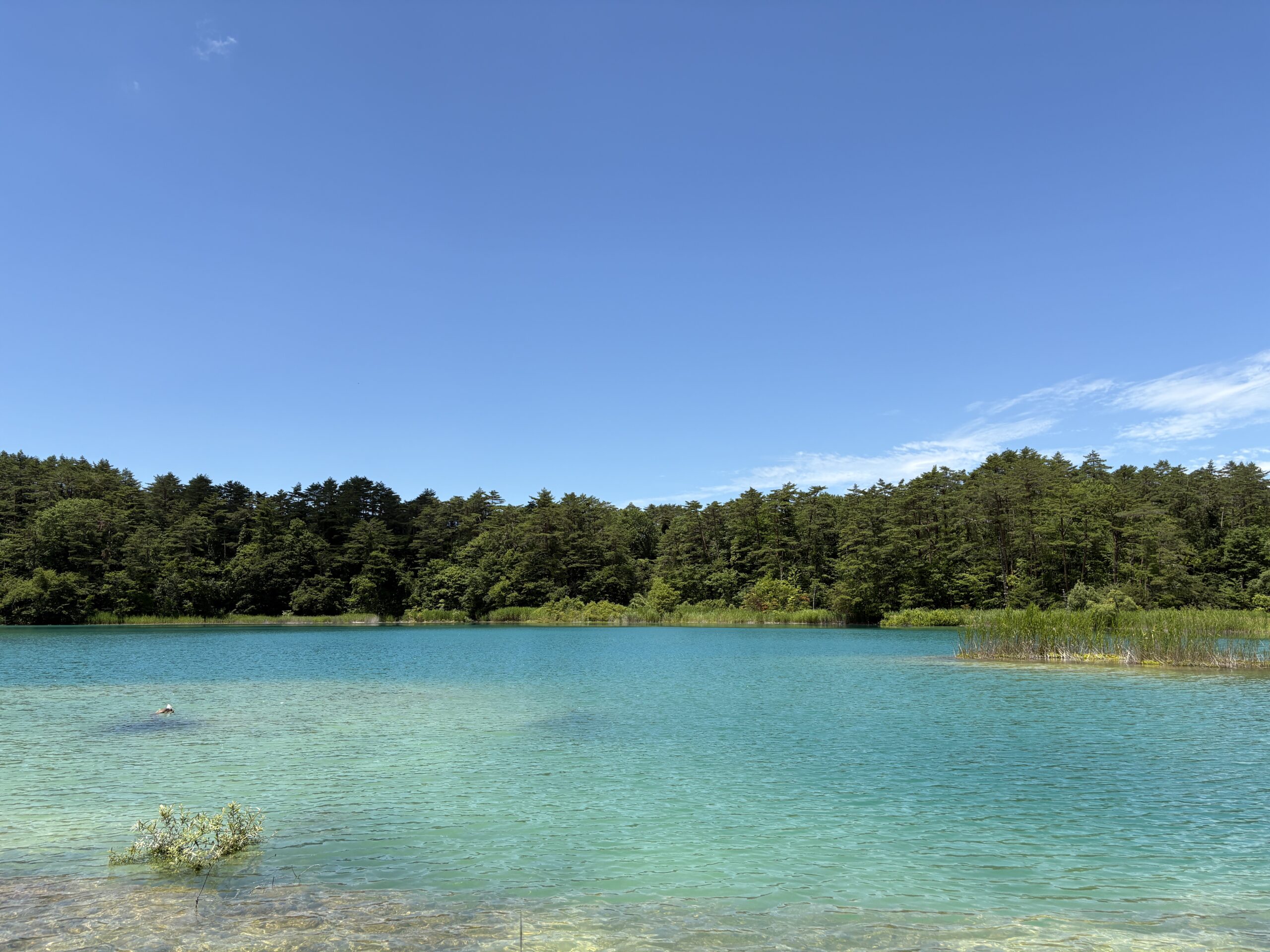
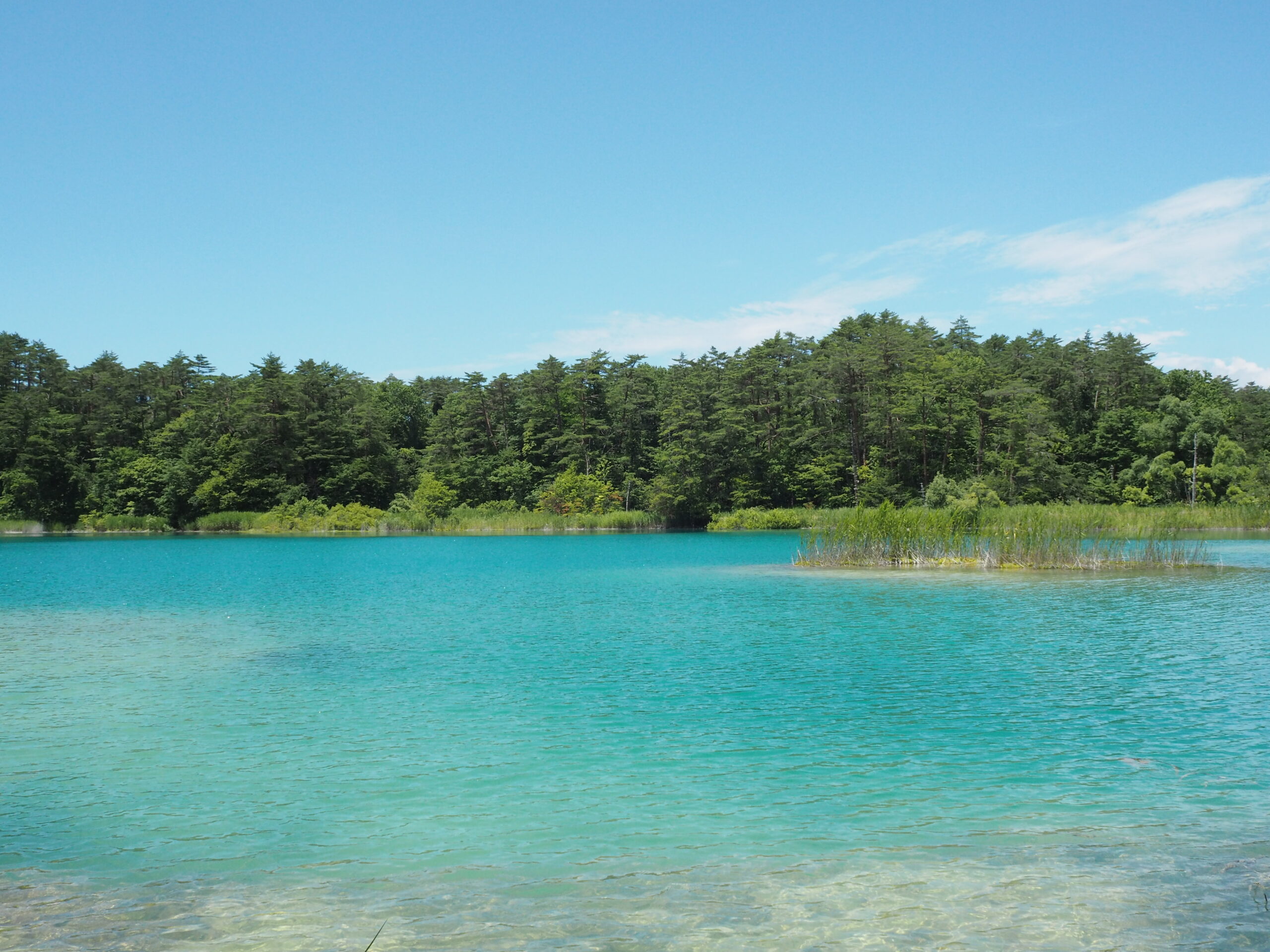
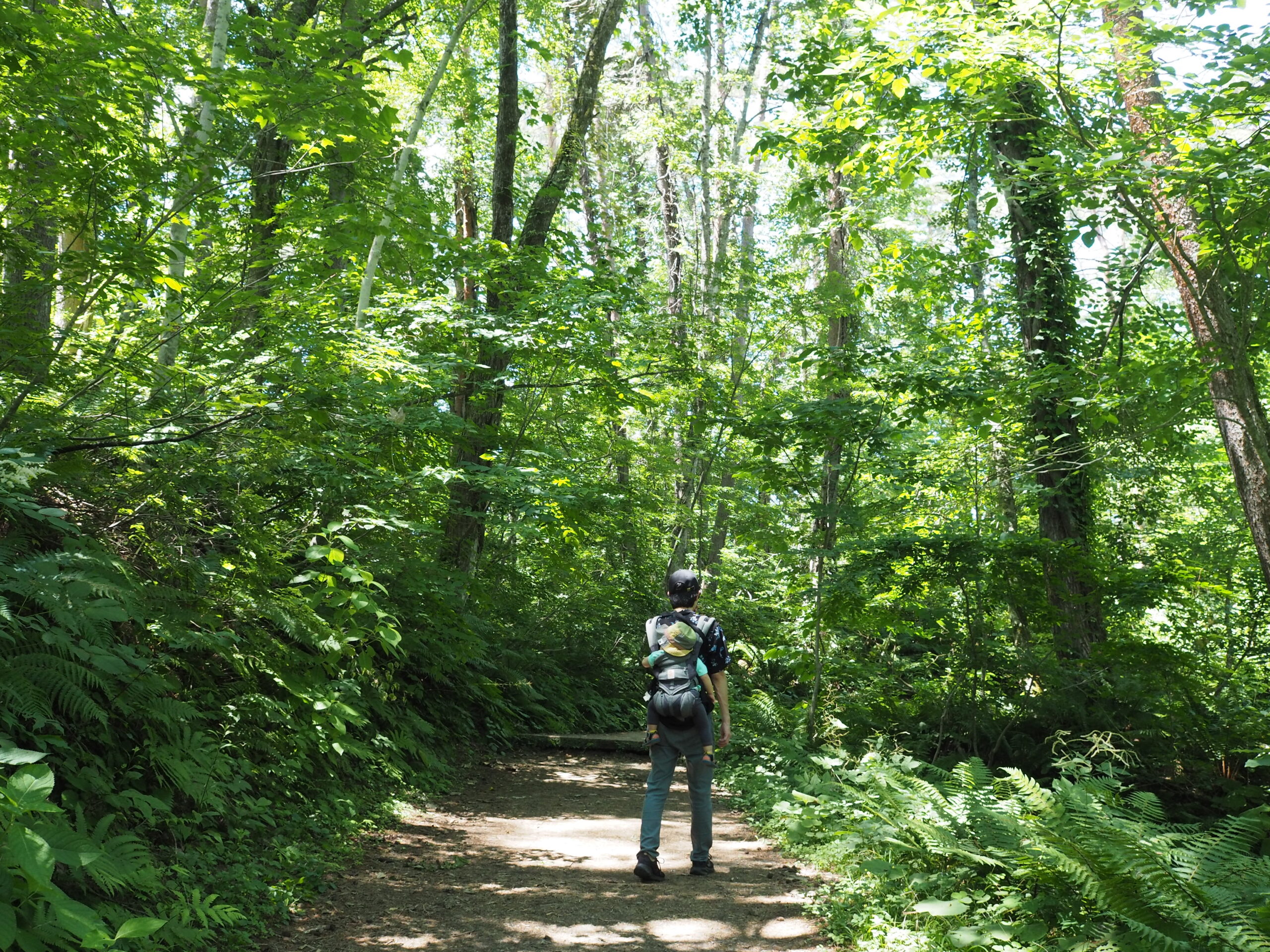
We started at the Bishamon-numa end and walked to Benten-numa and back — about 3–4 km round trip. The trail is well-maintained and requires no specialist equipment, but it’s a proper hike. Our preschooler had some moments of “I can’t walk anymore…” — and then rallied and finished the whole thing. One of those small moments of parenting pride.
Our toddler rode on my back the whole way. Plan accordingly.
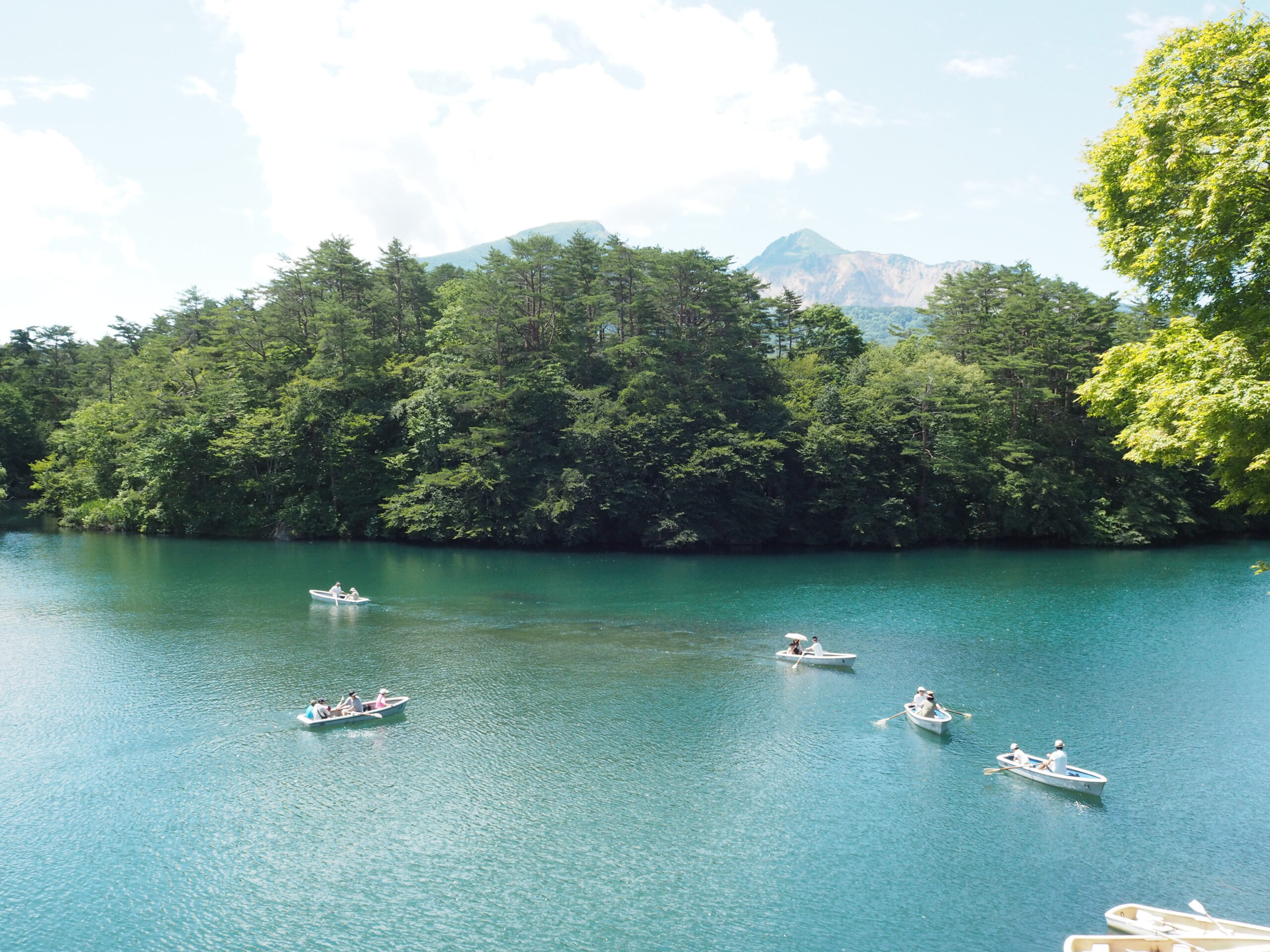
We also did a canoe session on Bishamon-numa after the hike, which was a highlight. The whole family fit in one boat, the scenery from the water is stunning, and it’s a genuinely peaceful way to start the morning. Highly recommend adding it if you can.
Benten-numa, the pond we turned around at, was our favourite of the ones we saw — worth making the effort to reach.
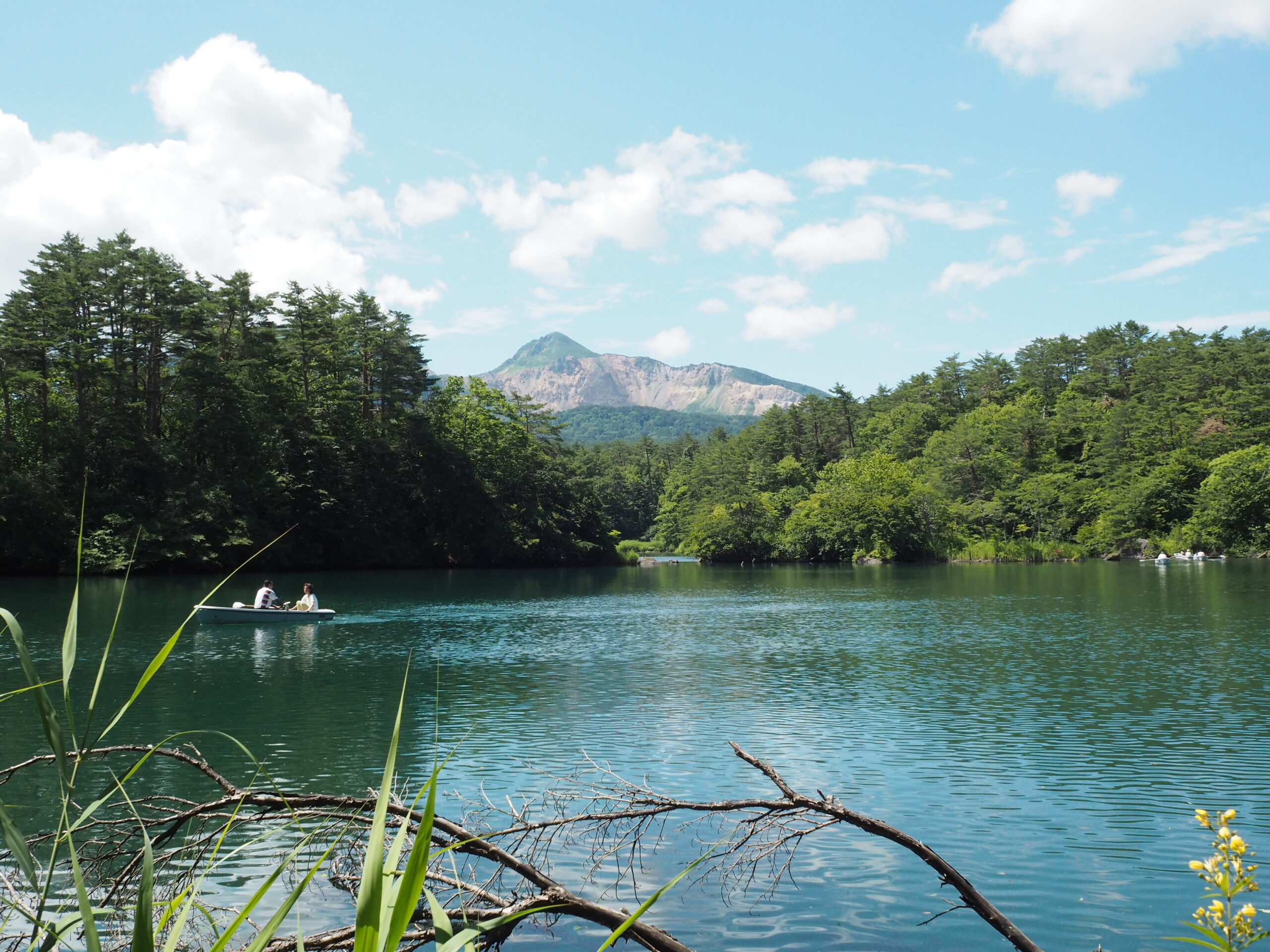
Goshikinuma: Free entry · Open year-round
Lunch: Local Ramen
After the hike, we stopped for ramen nearby.
Evening: Hotel Activities
Back at the hotel for more of the activity lineup: Aizu folk song dancing in the evening, and a night kart tour through the adjacent golf course after dark. The kids were fully energised again by nightfall. (How.)
Day 3: Tsuruga Castle + Peach Picking + Head Home
Morning: Tsuruga Castle
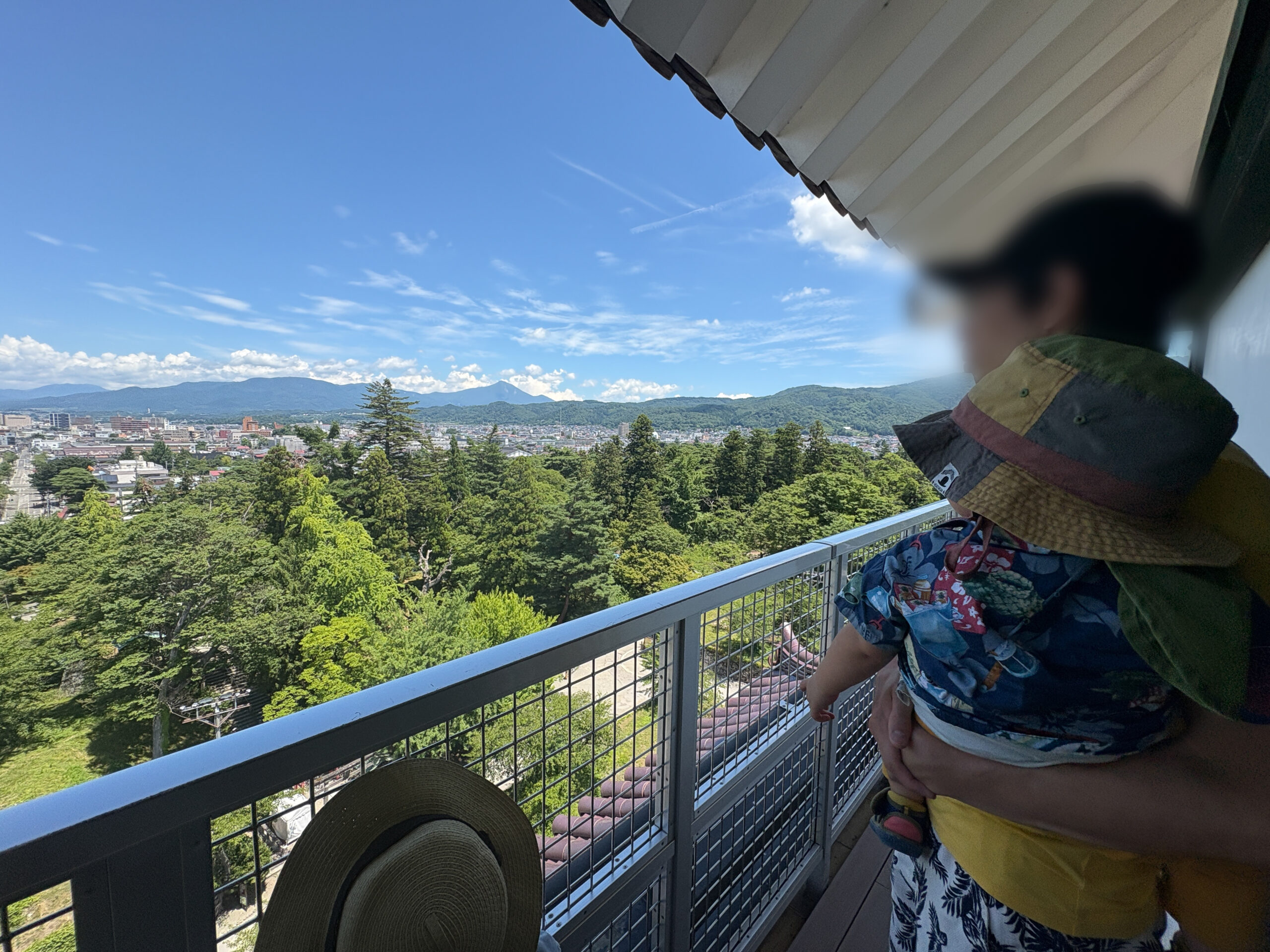
Aizu-Wakamatsu is about 40 minutes by car from the hotel. Aizu-Wakamatsu Castle (Tsurugajo) has Japan’s only red-tile keep, rebuilt after the Boshin War. The castle is open 8:30–17:00, with adults at ¥520.
The castle is interesting for adults — the museum inside covers Aizu’s samurai history in detail, and the views from the top floor over the city and Mt. Bandai are beautiful. For very young kids, the museum content may be a bit advanced, but they’ll enjoy the castle grounds and the views. And there’s an Akabeko statue in front of the castle — our toddler, who’d become deeply attached to all things Akabeko over the two days at the hotel, would not look at the camera because he was too busy staring at it.
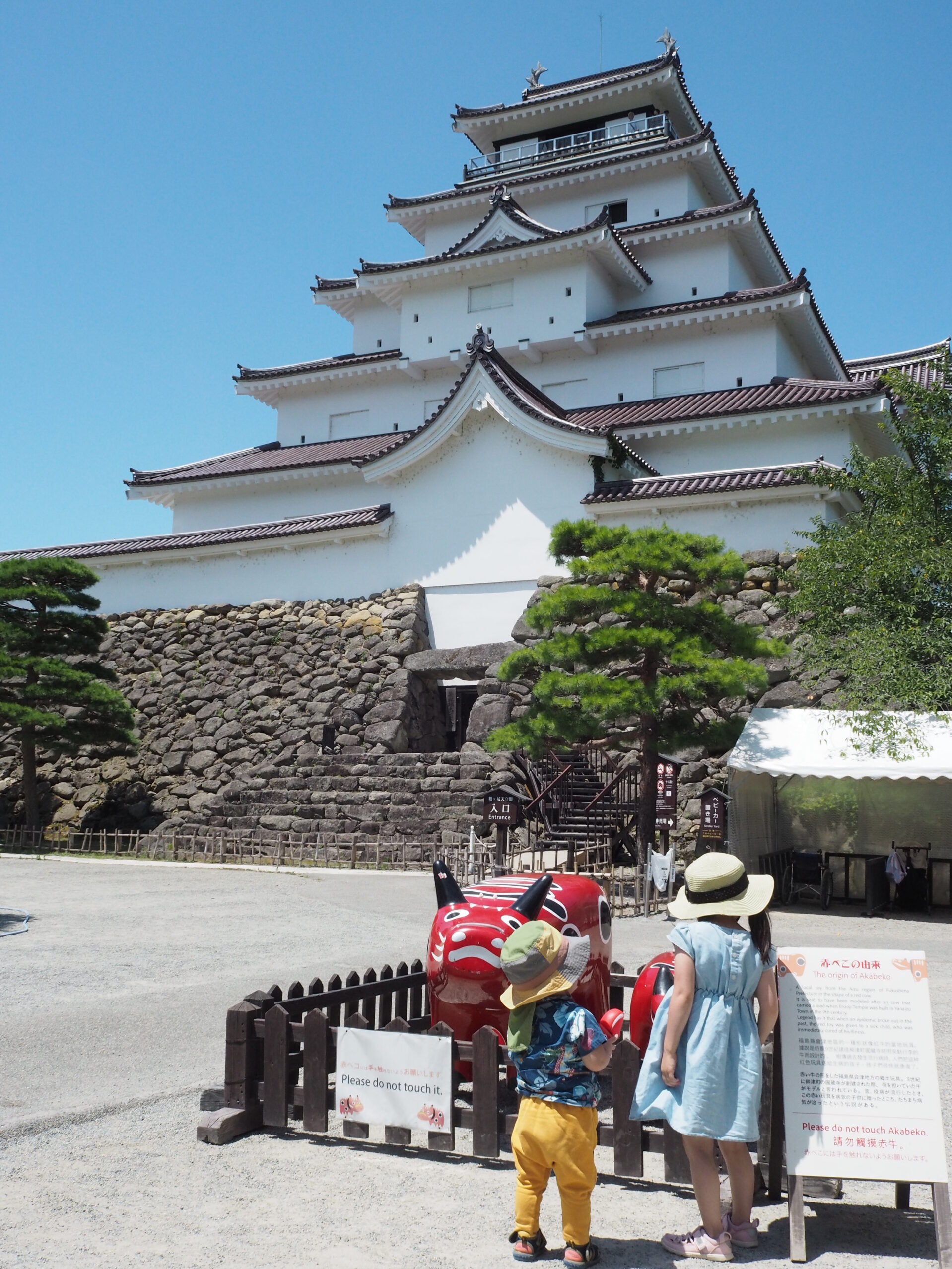
→ Tsurugajo Castle official site (English)
Afternoon: Peach Picking
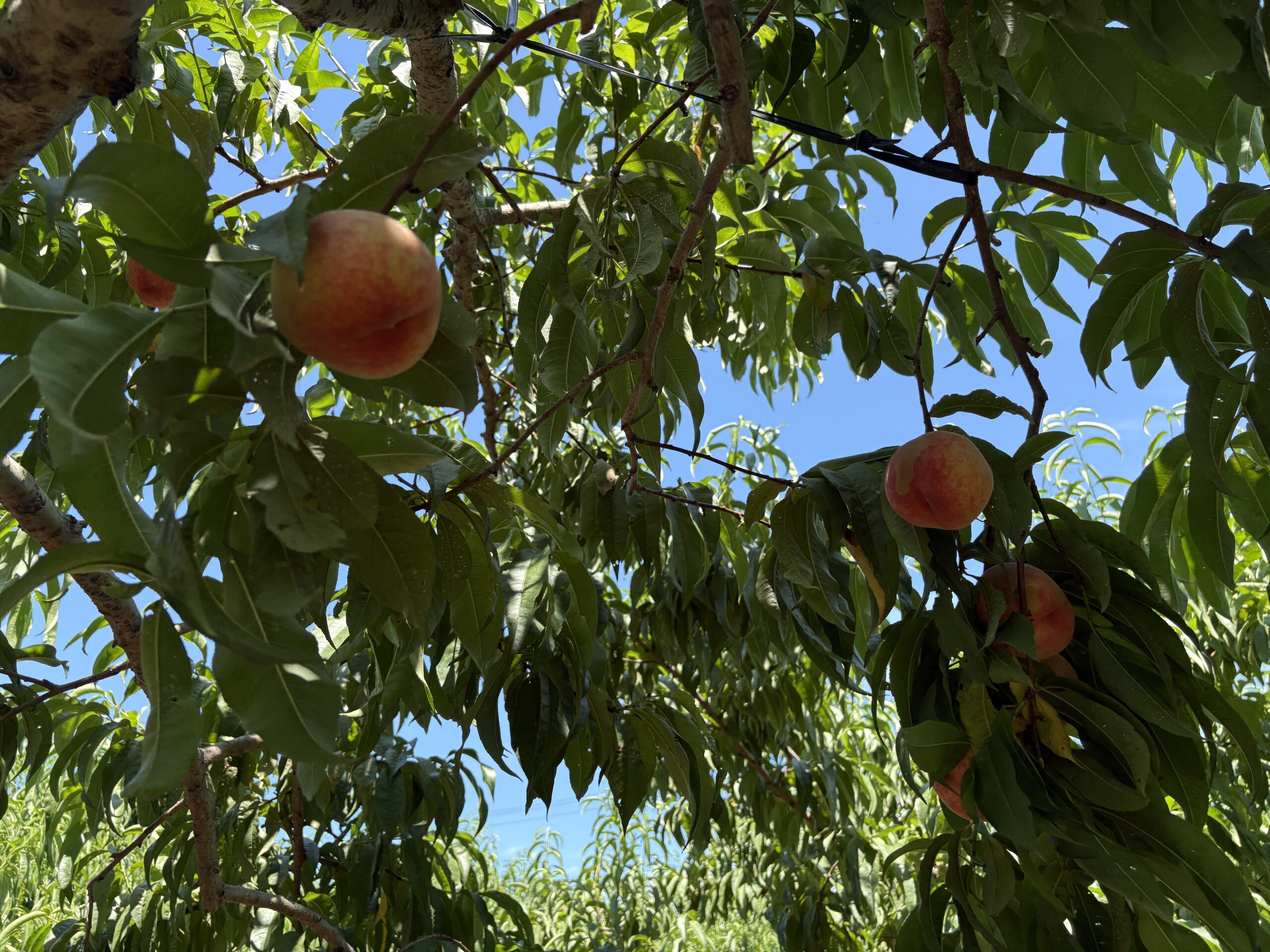
This was a trip highlight that I hadn’t fully anticipated. We stopped at a local peach orchard — a small, family-run kind of place with a very local feel. We can’t confirm English-language support there, but if you’re looking for a more internationally-friendly booking option, the link below is a good starting point.
Either way, if you’re visiting in peach season (roughly late July to early September in Fukushima), this is worth making time for. The peaches were extraordinary — fresh off the tree, the recommended way to eat them is unpeeled (like an apple), which was a revelation. Our preschooler had never tried it that way and couldn’t believe how good it was.
→ Fukushima peach picking options (English booking)
A Note on Getting There
We drove the whole trip, which gave us flexibility to move between Iwaki (coast), Urabandai (mountains), and Aizu-Wakamatsu at our own pace. By car, Iwaki is about 2.5–3 hours from Tokyo via the Joban Expressway.
Why Fukushima?
Fukushima is a prefecture that genuinely surprised us. It covers an enormous area — Pacific coastline, mountain plateaus, historic castle towns, volcanic lakes — and that variety meant we never felt like we were doing the same thing twice.
It’s also less visited by international tourists than destinations like Nikko or Hakone, which means shorter queues, more space, and a quieter experience overall.
If you’re planning a Tohoku trip and wondering where to start, this is our answer.
Tips from a Local Mom
- Car is best for this itinerary — the distances between areas don’t work well by public transport
- Aquamarine Fukushima can easily take half a day — give it time
- Goshikinuma is free — one of Japan’s most beautiful natural spots at no cost
- Add canoeing to the Goshikinuma morning if you can — worth it
- Peaches are best eaten unpeeled — trust the orchard staff on this one
- Time your return via the Aqua-Line to avoid evening congestion
FAQ
Is this itinerary doable with toddlers? Yes, with some adjustments. The Goshikinuma hike is the most physically demanding part — our toddler was carried the whole way. The rest is manageable, and there’s plenty of variety to keep young kids interested throughout.
Is a car necessary? For this itinerary, yes. The three areas (Iwaki coast, Urabandai, Aizu-Wakamatsu) are spread across the prefecture and don’t connect well by public transport.
How far is Fukushima from Tokyo? Iwaki (first stop) is about 2.5–3 hours by car from central Tokyo via the Joban Expressway. By Shinkansen, Koriyama (a good base for the Aizu area) is about 80 minutes from Tokyo Station.
Is Aquamarine Fukushima worth it? Yes — it’s one of the most thoughtfully designed aquariums we’ve visited in Japan, with a genuine educational concept behind it rather than just tanks of fish. The outdoor beach area is a lovely bonus for young kids.